Which Wire Is Used for Nail Production? Grade and Diameter
26 August 20263 min read
Nail production uses cold-drawn low-carbon steel wire. The right SAE grade for nail wire, diameter range, strength values, and a raw material selection guide for nail manufacturers.
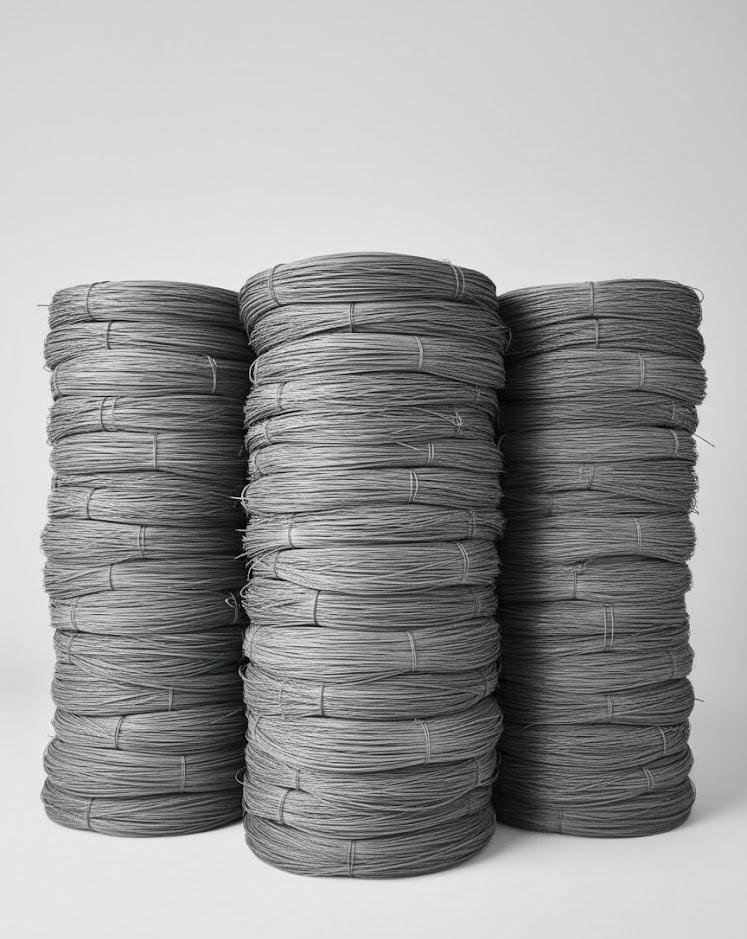
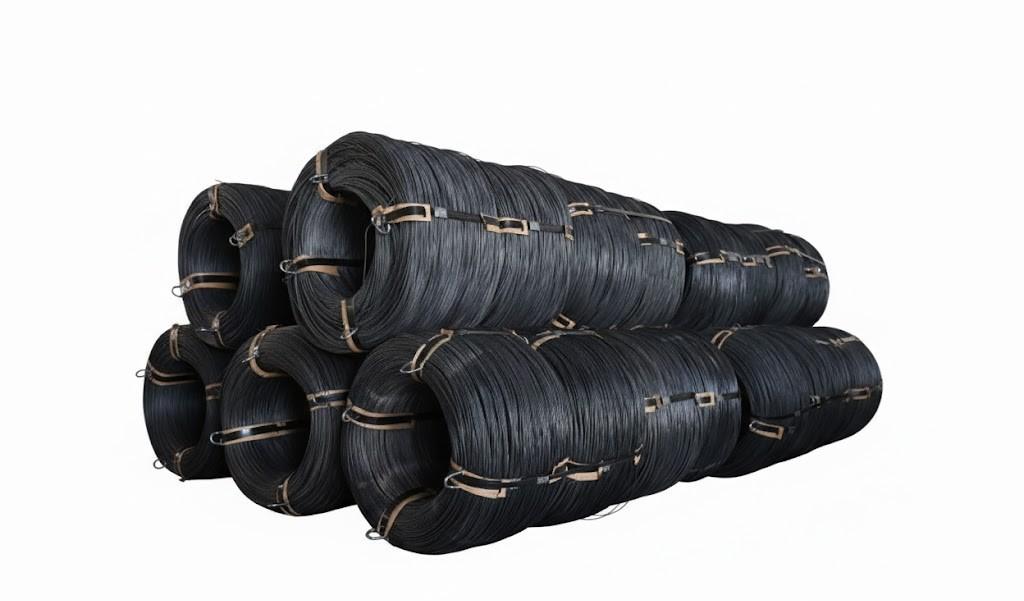
Nail production uses cold-drawn, low-carbon steel wire. The wire must be hard enough that the nail does not bend when driven, yet workable enough not to crack during head-forming and point-sharpening. This balance is usually achieved with cold-drawn black wire in SAE 1006-1010.
In this article we explain the right wire grade, diameter range and selection criteria for nail manufacturers.
What properties must nail wire have?
Nail production requires three things from the wire:
- Sufficient strength: The nail must not bend when driven. Cold drawing gives the wire this hardness.
- Workability: The wire must not crack when the nail head is pressed (forged). This is why low-carbon grades are preferred.
- Clean surface and tolerance: A clean surface and precise diameter are essential for uninterrupted feeding in automatic nail machines.
SAE grade for nail wire
Nail production generally uses low-carbon grades:
| SAE Grade | Carbon | Use |
|---|---|---|
| 1006 | ~0.06% | Thin nails, wire nails |
| 1008 | ~0.08% | General-purpose nails |
| 1010 | ~0.10% | Standard construction nails |
Higher-carbon grades risk cracking when the nail head is forged. For the meaning of SAE codes, see our SAE steel wire grades guide.
Nail wire diameter range
Wire diameter is chosen according to the size of nail to be produced:
- 1.80 - 2.50 mm: Thin and medium nails, wire nails
- 2.50 - 4.00 mm: Standard construction and packaging nails
- 4.00 - 6.00 mm: Thick, long nails and special applications
Cold-drawn black wire covers this entire diameter range.
Why cold-drawn black wire?
Nail wire is not annealed. Annealing would soften the wire and cause the nail to bend when driven. Cold drawing increases the wire's strength and keeps the nail hard. We explain the difference between annealed and cold-drawn wire in detail in our annealed wire vs black wire article.
The clean, smooth surface from cold drawing is also important for smooth feeding in automatic nail machines.
What should nail manufacturers watch for in raw material?
Diameter tolerance. In automatic machines, wire with a loose tolerance causes feeding and cutting problems. A precise tolerance such as -0.05 / +0.05 mm is important.
Homogeneous strength. Variable hardness along the wire causes some nails to bend and others to crack. Homogeneous production is essential.
Coil continuity. High-capacity coils mean fewer stops and higher efficiency on automatic lines.
Frequently asked questions
What wire are nails made from?
Nails are made from cold-drawn low-carbon steel wire. SAE 1006-1010 is generally used; these grades provide both the hardness needed for driving and the workability suited to head forging.
What diameter is nail wire?
It ranges from 1.80 to 6.00 mm depending on the nail size to be produced. 1.80-2.50 mm is common for thin nails and 2.50-4.00 mm for standard construction nails.
Why isn't high-carbon steel used for nail wire?
High-carbon wire is too hard and cracks when the nail head is forged. Low-carbon grades are preferred because they are both hard enough and workable.
Should nail wire be annealed?
No. Annealed wire is soft and bends when the nail is driven. Nail production uses cold-drawn hard wire.
Which wire suits an automatic nail machine?
Cold-drawn black wire with a precise diameter tolerance, homogeneous strength and a clean surface. These properties provide uninterrupted feeding and low waste.
AFA Çelik cold-drawn black wire
AFA Çelik produces cold-drawn black wire for nail manufacturers. With SAE 1006-1018 grade options, a 1.80-6.00 mm diameter range, a precise -0.05 / +0.05 mm tolerance and a clean surface quality, it provides raw material suited to automatic nail production.
For the grade and diameter suited to your production, request a quote or contact us.