How Steel Wire Is Made: Drawing & Annealing Process
5 October 20262 min read
Steel wire is produced from wire rod through cold drawing, annealing and packaging. A step-by-step explanation of the steel wire manufacturing process.
Steel wire is produced in several stages, starting from a raw steel bar called wire rod. The process consists of reducing the wire rod's diameter and then processing the wire according to its intended use.
Manufacturing stages
- Wire rod (raw material): Low-carbon steel wire rod (e.g. SAE 1006) is fed into the drawing line and surface-cleaned (descaling).
- Cold drawing: The wire rod is drawn through successive dies at room temperature to the required diameter. This hardens the wire and increases its strength.
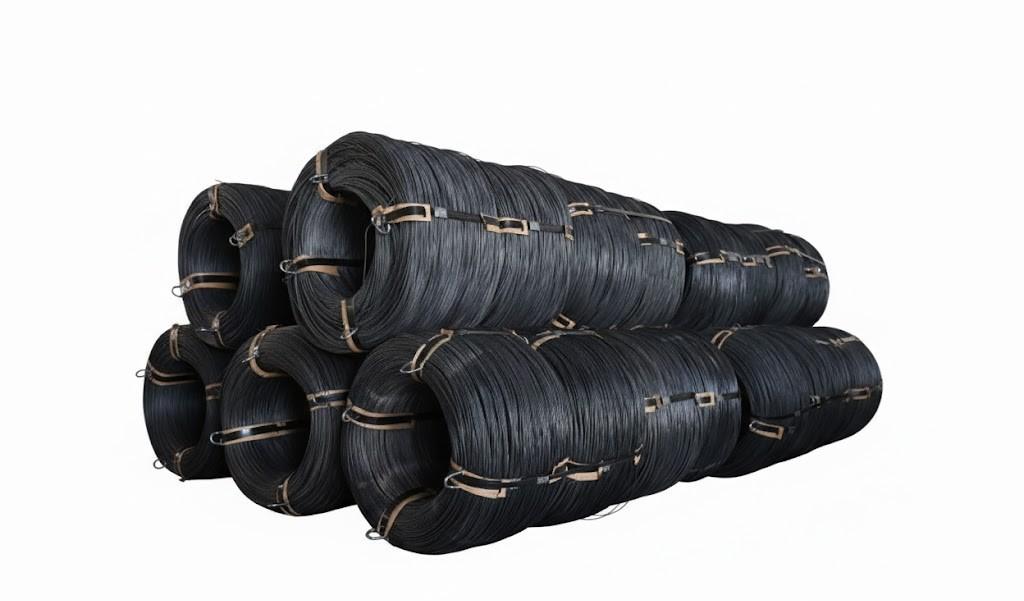
- Annealing (optional): If soft wire is required (tie wire, baling wire), the wire is annealed at ~600-900 °C in a controlled-atmosphere furnace. Internal stresses are relieved, the wire softens and a black oxide surface forms.
- Surface treatment: Baling wire is oiled; for permanent protection, wire can be galvanized (zinc-coated).
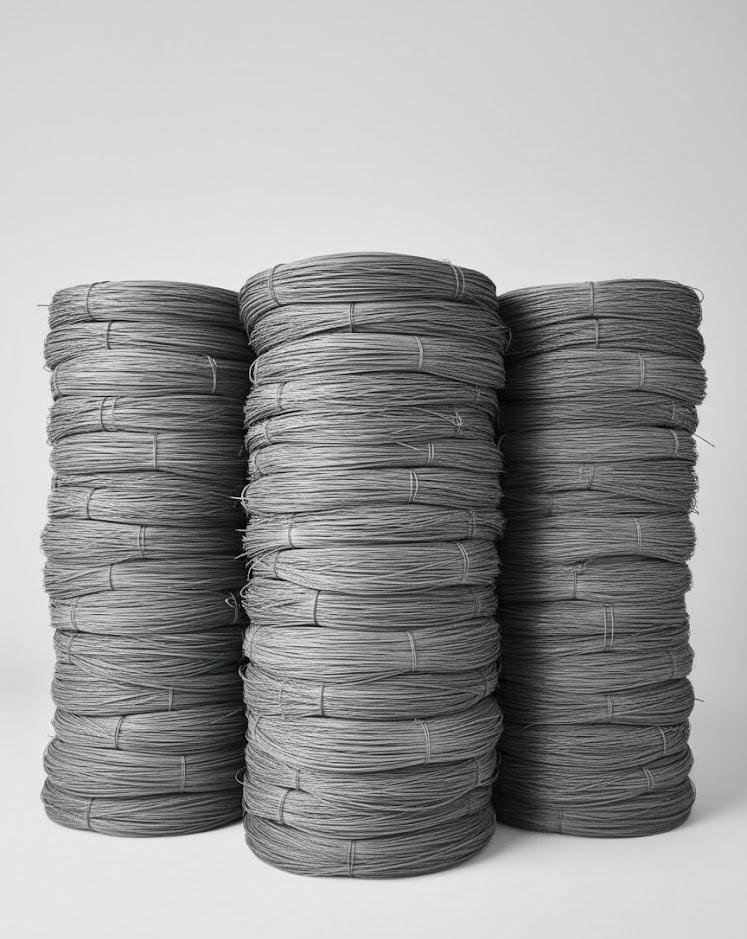
- Winding and packaging: The wire is wound into coils, spools or mastercoils and packaged on pallets / in big bags.
Annealed wire vs cold-drawn wire
The difference is the annealing stage. Annealed wire is soft (tie/baling wire); un-annealed wire stays hard (cold-drawn black wire for nails and springs).
Frequently asked questions
What is steel wire made from?
From wire rod — a low-carbon steel bar — which is drawn down to the required diameter and optionally annealed.
What does annealing do?
Annealing heats and softens the wire, relieving the internal stresses created by cold drawing so the wire can be bent by hand.
AFA Çelik manufactures annealed wire, baling wire and black wire through this process in Adana, Türkiye. Request a quote or contact us.